Mental health impact of early specialization in athletes
Does focusing on one sport at a young age affect the psychological development of athletes over their lives?
The excitement of the Milano Cortina Winter Olympics 2026 is upon us, and along with that, the awe in how many of these athletes are performing at such high stakes at such a young age. Take snowboarder Oliver Martin (USA), who is 17 years old and already a World Cup medalist, who in on the news for making it to the finals competing with a broken arm. There is Indra brown (Australia), who is making her Olympic debut in freestyle skiing at age 15, making her the youngest in the current games. Eileen Gu (China) was already the youngest freestyle skiing Olympic champion at age 18 in 2022. There is Ilia Malinin (USA), already a two-time world champion and a leading favorite in figure skating who started training at age six, influenced and coached by his Olympian parents.
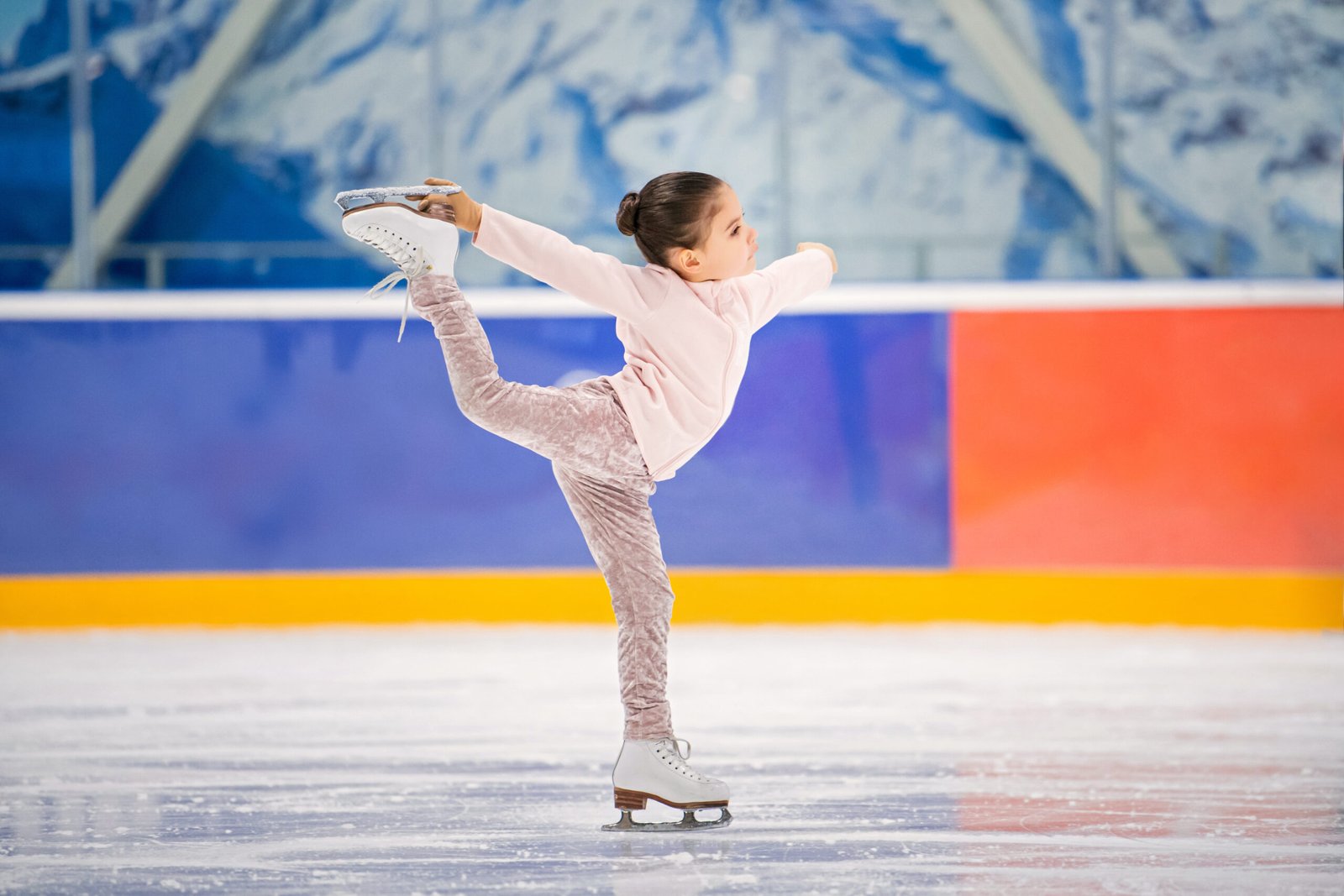
There is considerable controversy in whether such early sports specialization results in net benefit or net harm on the athlete. It is a complex question and there are many factors to be considered. Early specialization assumes that the earlier one begins training, the higher the chances of sporting success. There are also certain sports (e.g., gymnastics, figure skating, and diving) wherein the human body is thought to achieve its peak performance at a relatively young age, hence the rationale to start training very early.
There is considerable debate and disagreement as to how to define the term sport specialization let alone early sport specialization, but for the scope of this discussion, we will define specialization as “the intentional and focused participation in a single sport for the majority of the year that restricts opportunities for engagement in other sports and activities”[1] and early as beginning before age twelve or puberty.
Consequences of early sports specialization
Engaging in sports at any age confers multiple benefits to the athlete. Sports participation by the age of twelve was associated with better mental health in early adulthood, and higher levels of competitive sports were associated with less mental distress in adulthood.[2] Youth sports help children develop a strong identity and purpose, boost confidence and motivation, and foster a sense of self-agency and empowerment. Having consistent routines can enhance time management and goal setting, and being in a sport environment can enhance sense of belonging, which is especially powerful in children and adolescents.
However, athletes who specialize in one sport from a young age may be subject to negative consequences. Some authors have noted that early sport specialization does not guarantee sports success and may expose the athlete to injuries and mental health difficulties that affect long-term success.3 We will focus on some of the potential psychological impacts.
Time spent training in only one sport can decrease self-directed and unstructured age-appropriate play.[3] The athlete may face unrealistic expectations and pressures from parents, coaches and even themselves. Maladaptive perfectionism, excessive training schedules, and chasing external rewards (e.g., medals) can lead to burnout, social isolation, anxiety, depression, or quitting sports sooner than expected. A win-at-all-costs mentality from a young age can also increase the exposure of an athlete to potential abuse and trauma from coaches, peers, or others (think of the horrors that young American gymnasts suffered under Larry Nassar). Psychological consequences can also stem from increased exposure to injuries over time. For example, recurrent physical injuries can be traumatizing and lead to depression, anxiety, and PTSD. When the injuries include concussions, the neuropsychological effects may be even greater. Dysfunctional habits and coping mechanisms unique to an elite sport lifestyle can develop into more concerning difficulties later on such as eating disorders, problem gambling, and substance abuse. Other long-term risks include narrowing of identity – “who am I if I’m not an athlete?” – which is unhelpful when the athlete is faced with a life transition or milestone, such as incurring an injury that alters their career trajectory, becoming a parent, or ageing out and going into retirement.
Preventing negative psychological consequences of early sports specialization
While the preferred solution is deferring sports-specific specialization until mid- to late-adolescence, when both the physical and psychological capacities are better-developed, what else can be done to avoid its negative psychological consequences in athletes of all ages?
Youth should be given opportunities for free, self-directed, and unstructured play to encourage self-regulation, curiosity, social skills, and conflict resolution. They should be closely monitored for signs of burnout. Emphasis should be given to increase intrinsic reward mechanisms (improvement for the sake of improvement, mastery, and self-satisfaction) as opposed to being driven by extrinsic rewards or punishments (trophies, praise from adults, besting others’ records). The athlete should be made to feel the choice is in their hands and not imposed. In other words, and this is true also for adults, there should be more focus on personal, social, and physical development and enjoyment than sporting success alone, and fostering an environment where the focus is on the person and not their achievements. Opportunities to develop other areas of the athlete’s life is crucial.[4],[5]
Psychological skills training is essential both in the short-term to manage daily difficulties, and in the long-term, to develop lifetime resilience – think fostering healthy coping strategies, setting realistic goals, and encouraging self-monitoring. On a more practical level, this involves things such as mindfulness and meditation practice, journaling, enhancing and utilizing support systems, improving communication skills, practicing self-compassion, and increasing self-awareness by developing the vocabulary to label emotional states. Education on appropriate self-care (getting adequate sleep, nutrition, and recreation) and boundary-setting (prioritizing physical and psychological safety, learning to say no) are vital from an early age. Pursuing other interests and skills (school, work, social activities, other hobbies and other sports) is essential in order to protect the athlete from loss of identity when they do not achieve the level of success they are pursuing, when they are faced with an injury, or when time comes for them to retire from sport.
The topic of early sports specialization remains a rather vaguely defined and inadequately researched area in sports medicine, sports psychiatry, and sports psychology. However, the above recommendations based on the current available evidence and sound basic psychological practices should prove useful to any athlete and their support system.
References:
[1] Bell DR, Snedden TR, Biese KM, Nelson E, Watson AM, Brooks A, McGuine TA, Brown RL, Kliethermes SA. Consensus Definition of Sport Specialization in Youth Athletes Using a Delphi Approach. Journal of Athletic Training. 2021 Nov 1;56(11):1239-1251. doi: 10.4085/1062-6050-0725.20
[2] Appelqvist-Schmidlechner K, Vaara J, Häkkinen A, et al. Relationships Between Youth Sports Participation and Mental Health in Young Adulthood Among Finnish Males. American Journal of Health Promotion. 2017;32(7):1502-1509. doi:10.1177/0890117117746336
[3] Myer GD, Jayanthi N, Difiori JP, et al. Sport Specialization, Part I: Does Early Sports Specialization Increase Negative Outcomes and Reduce the Opportunity for Success in Young Athletes? Sports Health: A Multidisciplinary Approach. 2015;7(5):437-442. doi:10.1177/1941738115598747
[4] Myer GD, Jayanthi N, DiFiori JP, et al. Sports Specialization, Part II: Alternative Solutions to Early Sport Specialization in Youth Athletes: Alternative Solutions to Early Sport Specialization in Youth Athletes. Sports Health: A Multidisciplinary Approach. 2015;8(1):65-73. doi:10.1177/1941738115614811
[5] Mosher A, Till K, Fraser-Thomas J, Baker J. Revisiting Early Sport Specialization: What’s the Problem? Sports Health: A Multidisciplinary Approach. 2021;14(1):13-19. doi:10.1177/19417381211049773
Disclaimer – the information on this website does not constitute medical advice. No doctor-patient relationship is formed. Please seek the attention of a qualified medical professional for your concerns.

Expert Psychiatric Services tailored for athletes and those with active lifestyles, serving California and Nevada.
NEWS
Stay up to date on news and blog posts by subscribing to the ESMH newsletter below: